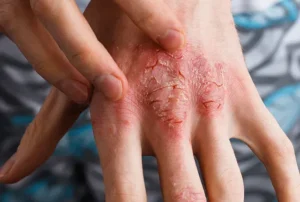
 Atopic dermatitis, also called eczema, is a common skin condition that causes dry, itchy, and inflamed skin. It often starts in childhood but can affect people of any age. Eczema is not contagious.
Common symptoms:
• Dry, red, or scaly patches of skin
• Itching, which can be severe
• Sometimes, the skin may crack or ooze
How to manage eczema:
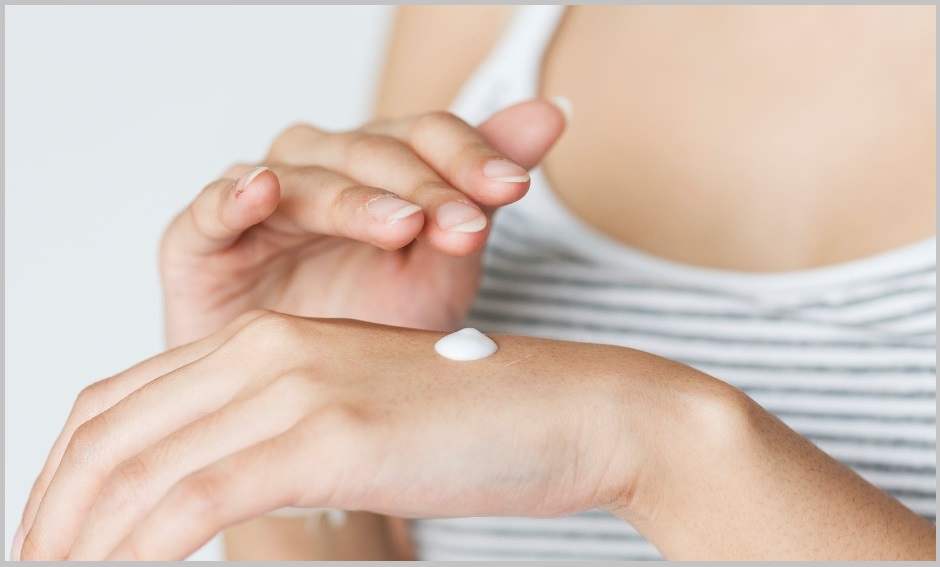
• Use gentle, fragrance-free, dye-free moisturizers every day to keep skin hydrated
• Avoid things that irritate your skin, like harsh soaps, fragrances, or scratchy fabrics
• Take short, lukewarm showers or baths
• Use any prescribed creams or ointments as directed
• Try not to scratch, as this can make eczema worse and may cause secondary infections.
Eczema can come and go, with periods of flare-ups. With good skin care and treatment, most people can control their symptoms and keep their skin healthy.
How are allergies related to eczema?
Food Allergies and Atopic Dermatitis: Clearing Up a Common Myth
Many people believe eczema is caused by food allergies, but current medical evidence shows that food allergy does not cause atopic dermatitis. Eczema is a skin-barrier condition—not a food-driven one. Most children and adults with eczema do not have a food allergy, and removing foods from the diet usually does not improve the skin.
It’s very common for people with atopic dermatitis to blame foods for their flare-ups—but most eczema flares are not caused by food allergies. In fact, many patients continue to have worsening skin even when they completely avoid a suspected food allergen.
Think about it this way: If you’re having an eczema flare while avoiding the food you’re worried about, is it truly a food allergy? Most of the time, the answer is no.
Eczema flares happen because the skin barrier is sensitive and easily irritated, not because of what you’re eating. Triggers like weather changes, stress, infections, fragrances, detergents, and dry skin are far more common causes of flare-ups than food.
Food allergy testing is only helpful when there is a clear, immediate reaction to a specific food (like hives, vomiting, swelling, or difficulty breathing). Avoiding foods unnecessarily can actually make things worse—both for nutrition and long-term allergy risk.
Atopic dermatitis (eczema) and allergies are closely connected. People with eczema have a weaker skin barrier, which makes it easier for things like pollen, pet dander, or certain foods to get into the skin and cause irritation. This can lead to allergic reactions and may increase the risk of developing other allergies, such as asthma, hay fever, or food allergies.
Not everyone with eczema has allergies, but having eczema can make you more likely to develop them. Taking good care of your skin—by keeping it moisturized and avoiding things that irritate it—can help reduce flare-ups and may lower your risk of allergies.
If your eczema is not improving or is getting worse, please don’t hesitate to contact us. Our team at Asthma, Allergy & Immunology can help you feel good and look good!
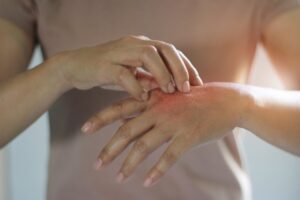 Angioedema – what is it!?
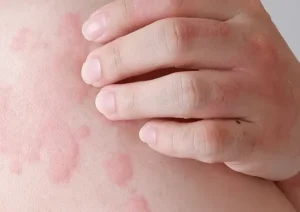 Hives are raised, itchy, red, or skin-colored welts that appear suddenly and typically disappear within 24 hours. They are caused by the releases of histamine, causing blood vessels to leak and skin to swell. Common triggers include foods, medications, insect bites, infections, stress, heat, cold, pressure, or exercise; often, the cause remains unknown.
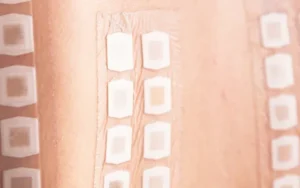 Patch testing is a specialized skin test used to determine whether a substance that comes into contact with your skin is causing a delayed allergic reaction, known as allergic contact dermatitis. This type of allergy is different from seasonal allergies or food allergies. Patch testing helps identify everyday triggers such as fragrances, preservatives, metals, dyes, rubber chemicals, topical medications, or ingredients in personal care products.