
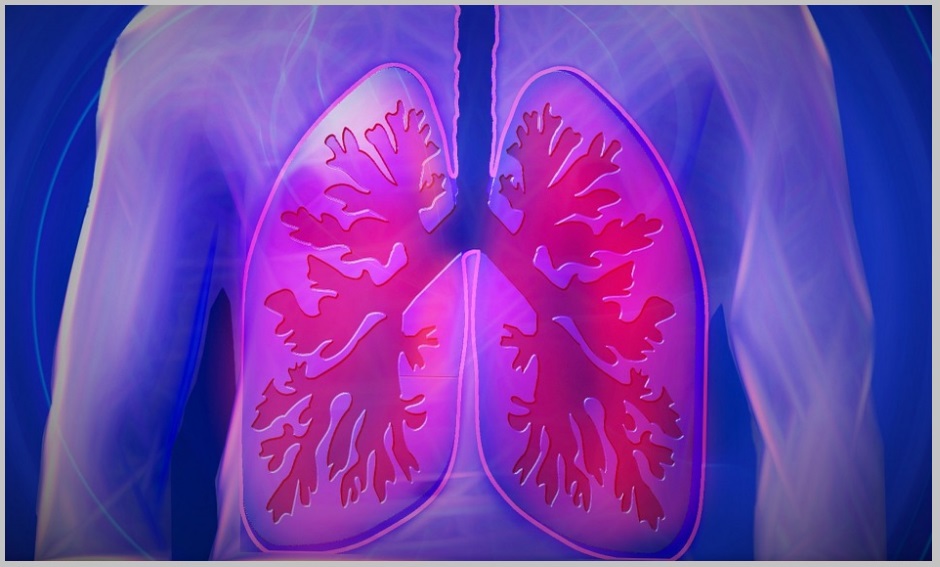
 The immune system perceives a threat and reacts in a variety of ways. A respiratory or lung allergy causes symptoms directly reflected in how a person breathes. Pollen, a major trigger for asthmatics, stimulates white blood cells to release a substance called histamine. This irritating substance produces a stuffy nose and itchy, watery eyes. In people with asthma, histamine can also cause a list of additional allergy symptoms, which usually occur soon after exposure. Examples of airborne allergens that cause respiratory allergy symptoms include pollens, animal dander, dust mites, and mold spores.
 Histamine
Sometimes the immune system perceives a threat and reacts in a variety of ways. A respiratory or lung allergy causes symptoms directly reflected in how a person breathes. Pollen, a major trigger for asthmatics, stimulates white blood cells to release a substance called histamine. This irritating substance produces a stuffy nose and itchy, watery eyes. In people with asthma, histamine can also cause a list of additional allergy symptoms, which usually occur soon after exposure. Examples of airborne allergens that cause respiratory allergy symptoms include pollens, animal dander, dust mites, and mold spores.
Breathlessness
Breathlessness is the sensation of not getting enough air, often accompanied by a sensation of tightness in the chest. A narrowing or blockage of the airway due to an allergic reaction causes this affect. As the inflamed or blocked airway prevents a person from taking a deep breath, the person takes more and more short, shallow breaths, which can lead to a drop in oxygen and an increase in carbon dioxide in the body. A feeling of breathlessness occurs as the brain, muscles and other body systems become oxygen deprived.
Wheezing
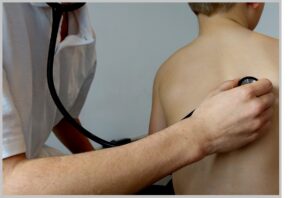
Wheezing is a whistling sound produced by breathing through a narrowed airway. Generally, wheezing can only be heard through a stethoscope. However, when allergy symptoms become severe as a person struggles to catch their breath, it can be heard by the human ear. Wheezing upon exhalation is more prevalent, but it can also occur when inhaling. According to the American Academy of Allergy Asthma & Immunology, when the smaller bronchial tubes within the lungs become narrow, it can cause chest discomfort, a sensation of pressure or constriction in front of the chest. When the larger airway narrows because of inflammation, it also becomes difficult to breathe causing audible wheezing.
Coughing
Coughing is a beneficial and protective reflex that clears irritants from the trachea and bronchi or airway of the lung. The cough reflex receives messages from receptors in the airway that are sensitive to stimulation by inhaled particles such as pollen. The messages travel to a center in the brain stem, which triggers the cough. The coughing mechanism clears the mucus, fluid and allergens that settle in the upper and lower airway. According to the Centers for Disease Control and Prevention, coughing is the most common reason why people seek medical attention.
Airway Inflammation
A classic sign of respiratory symptoms due to allergy is inflammation of the airway. The inflammation causes swelling and increased mucus production, which can result in wheezing, breathlessness, coughing and chest tightness. According to the National Heart Lung and Blood Institute, research has shown there is a genetic component that controls the inflammatory response to specific allergens. This response causes an allergic reaction, which in turn causes airway inflammation.
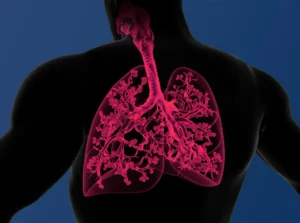
Chronic Obstructive Pulmonary Disease (COPD) is a long-term lung condition that makes it hard to breathe. It happens when the airways and air sacs in the lungs become damaged, usually from smoking or long-term exposure to irritants. People with COPD often have symptoms like:
• Shortness of breath, especially with activity
• Ongoing cough, sometimes with mucus
• Wheezing or chest tightness
COPD gets worse over time, but treatments and lifestyle changes—like quitting smoking, using inhalers, and staying active—can help you breathe easier and improve your quality of life. If you notice your symptoms suddenly get worse, it may be a sign of a flare-up (exacerbation), and you should seek medical attention.
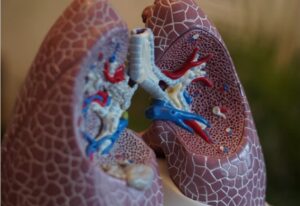
Asthma is a chronic disease involving the airways in the lungs. These airways, or bronchial tubes, allow air to come in and out of the lungs. We provide all forms of Asthma Evaulation and Treatment. If you have asthma your airways are always inflamed. They become even more swollen and the muscles around the airways can tighten when something triggers your symptoms. This makes it difficult for air to move in and out of the lungs, causing symptoms such as coughing, wheezing, shortness of breath and/or chest tightness.
For many asthma sufferers, timing of these symptoms is closely related to physical activity. And, some otherwise healthy people can develop asthma symptoms only when exercising. This is called exercise-induced bronchoconstriction (EIB), or exercise-induced asthma (EIA). Staying active is an important way to stay healthy, so asthma shouldn’t keep you on the sidelines. Your physician can develop a management plan to keep your symptoms under control before, during and after physicial activity.
People with a family history of allergies or asthma are more prone to developing asthma. Many people with asthma also have allergies. This is called allergic asthma.
Occupational asthma is caused by inhaling fumes, gases, dust or other potentially harmful substances while on the job.
Childhood asthma impacts millions of children and their families. In fact, the majority of children who develop asthma do so before the age of five. There is no cure for asthma, but once it is properly diagnosed and a treatment plan is in place you will be able to manage your condition, and your quality of life will improve.
 A pulmonary function test determines how your lungs function by measuring the amount of air your lungs hold and how fast the air enters and exits your respiratory system. Common asthma tests include spirometry and methacholine challenge. However, a broad scope of pulmonary function tests can be used to diagnose many lung conditions besides asthma.
If you suffer from a chronic cough, wheezing, or other signs of asthma or COPD, you could need lung-function testing to confirm your diagnosis.
The lung-function testing or pulmonary function test evaluates how well air moves in and out of your lungs. Our team at Asthma, Allergy & Immunology P.A. provides ongoing management services for asthma and COPD to prevent lung-related complications.