
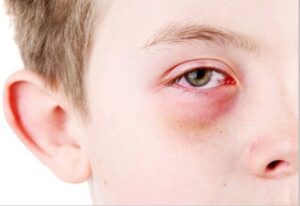
Also called allergic conjunctivitis or ocular allergy, eye allergy occurs when something you are allergic to irritates the conjunctiva. This is the delicate membrane covering the eye and the inside of the eyelid. Like all allergies, allergic conjunctivitis starts when the immune system identifies an otherwise harmless substance as an allergen.
This causes your immune system to overreact and produce antibodies called Immunoglobulin (IgE). These antibodies travel to cells that release chemicals which cause an allergic reaction. In this case, allergic reactions include eyes that water, itch, hurt or become red or swollen.
The most common causes of allergic conjunctivitis are seasonal allergens such as pollen and mold spores. People with seasonal allergic rhinitis (hay fever) normally notice their symptoms worsen when they go outdoors on days with high pollen counts. Indoor allergens such as dust mites and pet dander can also cause eye allergies year-round. If you suffer from this type of allergy, you may notice your symptoms worsen during certain activities such as cleaning your house or grooming a pet. Eye allergy symptoms can be very annoying. Yet they pose little threat to eyesight other than temporary blurriness. Unlike conditions such as pink eye, allergic conjunctivitis is not contagious. However, red, itchy, burning and puffy eyes can be caused also by infections and other conditions that can threaten eyesight.
Eye Allergy Symptoms & Diagnosis:
If your symptoms are related to an eye allergy, chances are you will have problems in both eyes.
Typical symptoms include the following:
- Watery eyes
- Itchiness
- Sensitivity to light
- Redness
- Grittiness
- Eyelid swelling
These symptoms can occur alone or along with allergic rhinitis nasal symptoms. They typically appear shortly after exposure to the allergen. Symptoms resulting from seasonal outdoor allergens tend to be worse than if your symptoms are due to indoor allergens such as dust mites or pet dander. Symptoms may be reduced if you are taking allergy medications such as antihistamines, which suppress the allergic reaction. The first step toward relief from annoying eye allergy symptoms is a proper diagnosis.
 Allergies primarily affect the middle ear. As you can see, the middle ear has a drainage tube or pressure release valve called the eustachian (you-STAY-shun) tube. If this tube is clogged with mucus or its opening is blocked by allergy swelling, then pressure and fluid can build up in the middle ear. This gives us the sensation of being down a well, having the need to “pop” our ears frequently, and can result in diminished hearing. Fluid build-up also creates a good environment for infection to occur. Middle ear infections, called otitis media or OM, occur commonly in early childhood and are a frequent reason for antibiotic treatment and missed school days. Allergies are a well recognized cause for recurrent OM and kids who have more than their share of middle ear infections should be allergy tested
Signs & Symptoms:
- Earache
- Vomiting
- Nausea
- Ear Drainage
- Fever
- Dizziness
- Loss of Balance
- Feeling of Pressure or Fullness
- Loss of Hearing
- Difficulty Hearing
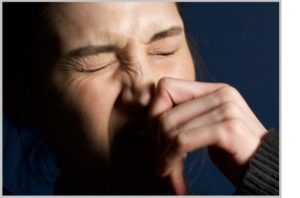 Allergic rhinitis is a group of symptoms affecting the nose. These symptoms occur when you breathe in something you are allergic to, such as dust, dander, insect venom, or pollen.
This article focuses on allergic rhinitis due to outdoor triggers, such as plant pollen. This type of allergic rhinitis is commonly called hay fever
Causes, incidence, and risk factors: An allergen is something that triggers an allergy. When a person with allergic rhinitis breathes in an allergen such as pollen or dust, the body releases chemicals, including histamine. This causes allergy symptoms.
Hay fever involves an allergic reaction to pollen. A similar reaction occurs with allergy to mold, animal dander, dust, and other allergens that you breathe in. The pollens that cause hay fever vary from person to person and from area to area. Tiny, hard-to-see pollens often cause hay fever.
Examples of plants that cause hay fever include:
- Trees
- Grasses
- Ragweed
The amount of pollen in the air can affect whether hay fever symptoms develop. Hot, dry, windy days are more likely to have increased amounts of pollen in the air. On cool, damp, rainy days most pollen is washed to the ground. Some disorders may be linked to allergies. These include eczema and asthma. Allergies are common. Your genes and environment may make you more likely to get allergies. Allergies often run in families. If both your parents have allergies, you are likely to have allergies too. The chance is greater if your mother has allergies.
Symptoms that occur shortly after you come into contact with the substance you are allergic to may include:
- Itchy nose, mouth, eyes, throat, skin, or any area
- Problems with Smell
- Runny Nose
- Sneezing
- Teary Eyes
Symptoms that may develop later include:
- Stuffy nose (nasal congestion)
- Coughing
- Clogged ears and decreased sense of smell
- Sore Throat
- Teary Eyes
- Dark circles under the eyes
- Puffiness under the eyes
- Fatigue and irritability
- Headache
People with allergic rhinitis often have allergy symptoms that also involve the eyes
 It has been estimated that as many as 30% of people have a hiatal hernia or malfunctioning lower esophageal sphincter (LES). The LES is a muscular “valve” that is supposed to keep highly acidic stomach contents from going backward into the esophagus. Persons wish one of these conditions might note frequent heartburn or acid belching. However not everyone has these obvious symptoms.
When a person with acid reflux lies down at night, acid may travel up to the level of the throat and even come into contact with parts of the larynx. Because this occurs mainly at night during sleep, the person is often unaware that this is happening.
One or many of the following may symptoms may result:
- Chronic sore throat: usually worse in the morning and gets better as the day progresses.
- Excessive morning “phlegm”
- Chronic, irritative cough
- A sensation of needing to continually clear one’s throat
- A particularly low or husky voice in the morning requiring prolonged “warm-up” if one is a singer
TREATMENT MEASURES
1. Avoid caffeine (soda, coffee, tea, chocolates) alcohol, spicy foods, cigarette smoking, fatty foods, and mints. These substances may increase stomach acidity and may also make the LES function poorly. Use decaffeinated drinks.
2. Eat the last meal/snack of the day no fewer than 4 hours before going to sleep. In addition, try to eat the heavier meals at noon and lighter ones in the evening. The purpose of these suggestions is to have the stomach relatively empty when one lies down so that there is not a lot of “back pressure” to push the stomach contents up the esophagus and into the throat.
3. Use 4-6 inch bed blocks under the head posts of the bed. Old books or wooden blocks work well for this purpose. This procedure puts the entire bed on a slight downwards slant from head to foot. You may need a pillow under your knees to keep yourself from sliding down. Gravity assists in keeping the stomach acid where it belongs.
4. You may be prescribed an acid-reducing medicine such as Prilosec OTC, Prevacid, Nexium, Aciphex, or Protonix. Take these medications one hour before breakfast. Treatment of this problem will usually require a 3 month treatment before the medication can be decreased or discontinued. Make sure to refill your medications and continue the treatment. Use a bedtime dose of a simple antacid such as Gaviscon or Maalox in order to reduce acidity.
5. Weight loss: It is recommended that a trial of the above measures be continued for a minimum 3-4 weeks and that none of the above treatments are omitted.
 Allergy testing helps find out what you are allergic to. The most common tests are skin tests and blood tests. These tests can show if your body reacts to things like pollen, foods, or pet dander. A positive test means your body is sensitive to that allergen, but it does not always mean you will have symptoms.
These results are interpreted by a Board Certified Allergy & Immunology specialist.
Dr. Imtiaz Ahmed has personally trained his staff for these special tests. We use your test results and your medical history to identify triggers and decide what steps to take next. Treatments are personalized to each, unique individual.
ALLERGY SKIN TESTING: WHAT TO EXPECT
Allergy skin testing helps find out what you are allergic to. There are two main types:
1. Skin Prick Test:
• A small drop of different allergens (like pollen or pet dander) is placed on your skin, usually on your back.
• The skin is gently pricked so the allergen can enter the top layer.
• If you are allergic, a small bump or redness will appear in about 20 minutes.
2. Intradermal Test:
• A tiny amount of allergen is injected just under the skin.
• This test is usually done if the prick test is negative but an allergy is still suspected.
• Results are usually read in about 20 minutes.
How to Prepare:
• Stop taking antihistamines 3–7 days before your test (ask your provider for details).
• Eat a good meal before the test – do not come hungry!
• Wear loose, comfortable clothing.
• Tell your provider about any medicines you take or health conditions you have.
The whole visit usually takes about 45 minutes. You may feel a little itching or mild discomfort, but the tests are safe and severe reactions are rare. You’ll stay in the office for a short time after the test to make sure you feel okay.
Some testing visits may take up to 2 hours – we advise to please bring something to read or watch while the tests are being conducted. Please plan your appointments accordingly.